


|
 |
|
 |
|
Introduction of the Sub-Committee of Environment, the Association of North East Asia Regional Governments |
 |
|||||||||||||||||||||||||||||||||||||||||||
|
|||||||||||||||||||||||||||||||||||||||||||
| Environmental Status Marine environment |
|||||||||||||||||||||||||||||||||||||||||||
| Water quality For coastal management purposes, Korea divides its coastal area into 10 regions. Since 1990, water quality (COD) values have been relatively stable with the indication of a slight improvement. Within Korea, water quality values (in comparison to their water quality standard) can be generally classified into Grade II (under 2mg/L). |
|||||||||||||||||||||||||||||||||||||||||||
|
|||||||||||||||||||||||||||||||||||||||||||
Marine pollution
|
|||||||||||||||||||||||||||||||||||||||||||
|
|||||||||||||||||||||||||||||||||||||||||||
| Status of coastline The sea around Korea is relatively shallow with approximately 77% of the sea area located within the continental shelf. Extensive areas of tidal flats are found along the west and south coast accounting for 3% of the national land area. |
|||||||||||||||||||||||||||||||||||||||||||
|
|||||||||||||||||||||||||||||||||||||||||||
| River environment | |||||||||||||||||||||||||||||||||||||||||||
Water quality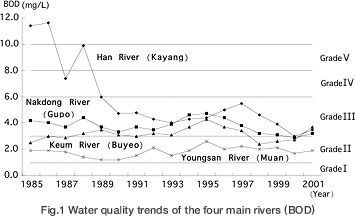 Since the 1950s, as a consequence of rapid development, Seoul has faced various urban environmental problems. For example, water quality in the Han River, which flows through the city, slowly became highly polluted and in the late 1980s BOD values exceeded the Grade V water quality values* (10mg / L). After the enactment of Water Quality Preservation Act in 1990, stricter emission standards and other regulations were implemented, consequently water quality has gradually improved and currently the water quality of the Han River is classified as Grade III. The water quality of other rivers has remained stable since 1985, with the Youngsan River classified as Grade II and the Nakdong and Keum Rivers as Grade III (Fig 1). Since the 1950s, as a consequence of rapid development, Seoul has faced various urban environmental problems. For example, water quality in the Han River, which flows through the city, slowly became highly polluted and in the late 1980s BOD values exceeded the Grade V water quality values* (10mg / L). After the enactment of Water Quality Preservation Act in 1990, stricter emission standards and other regulations were implemented, consequently water quality has gradually improved and currently the water quality of the Han River is classified as Grade III. The water quality of other rivers has remained stable since 1985, with the Youngsan River classified as Grade II and the Nakdong and Keum Rivers as Grade III (Fig 1). |
|||||||||||||||||||||||||||||||||||||||||||
| * : Depending on water use / conservation objectives, water quality is classified into 5 grades, with corresponding standard values. For BOD, standard values of 1,3,,6,8,10mg / L are set for Grades I - V respectively. | |||||||||||||||||||||||||||||||||||||||||||
|
|||||||||||||||||||||||||||||||||||||||||||
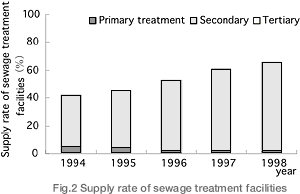
| Status of sewage treatment As of 1998 there were 114 sewage treatment plants (with a treatment capacity of 16.62 million tons / day), accounting for a 66% supply rate. Secondary treatment (activated sludge method) is the most common treatment method. Although sewage treatment facilities are well established in the urban areas such as Seoul, Kwangju and Taegu, rural areas are still behind with Chonnam’s supply rate at less than 11%. |
|||||||||||||||||||||||||||||||||||||||||||
|
|||||||||||||||||||||||||||||||||||||||||||
 |
|
||||||||||||||||||||||||||||||||||||||||||
|
|||||||||||||||||||||||||||||||||||||||||||
| Atmospheric environment | |||||||||||||||||||||||||||||||||||||||||||
Nitrogen oxides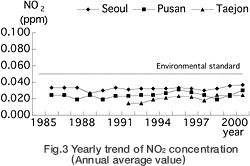 Although NO2 concentrations show a slight increase in some areas, values do not exceed the environmental standard (Fig. 3). Although NO2 concentrations show a slight increase in some areas, values do not exceed the environmental standard (Fig. 3). |
|||||||||||||||||||||||||||||||||||||||||||
|
|||||||||||||||||||||||||||||||||||||||||||
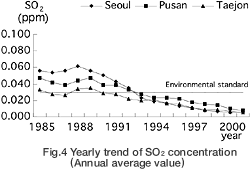
| Sulfur oxides Until 1992, SO2 concentrations often exceeded the environmental standard. However, after the enactment of the Air Quality Preservation Act in 1990, monitoring of air quality was reinforced and gradually SO2 concentrations began to decline to their present level (Fig. 4). |
|||||||||||||||||||||||||||||||||||||||||||
|
|||||||||||||||||||||||||||||||||||||||||||
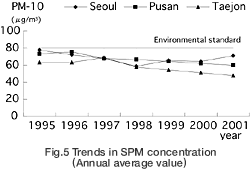
| Suspended particulate matter (PM-10) PM-10 concentrations have been declining in Pusan and Daejeon since 1995, however the concentration level in Seoul indicates an increasing trend (Fig. 5). |
|||||||||||||||||||||||||||||||||||||||||||
|
|||||||||||||||||||||||||||||||||||||||||||
 |
 |
||||||||||||||||||||||||||||||||||||||||||
|
|||||||||||||||||||||||||||||||||||||||||||
| Environmental Administration Korea |
|||||||||||||||||||||||||||||||||||||||||||
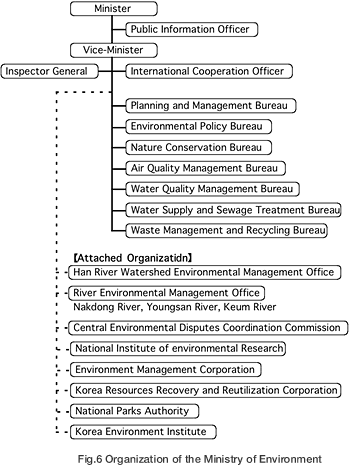 Administrative structure Administrative structureThe Ministry of Environment plays a central role in the creation and implementation of environmental policy in Korea. Its main tasks involve the enactment and amendment of environmental laws and regulations, the preparation of long-term and short-term comprehensive plans for environmental protection, establishment of regulations and standards and the promotion of international cooperation in environmental conservation. Other related administrations include The Ministry of Construction and Transport and The Ministry of Fishery and Marine Resources, which are assigned with activities such as river management and marine pollution control. |
|||||||||||||||||||||||||||||||||||||||||||
|
|||||||||||||||||||||||||||||||||||||||||||
| Environmental laws and regulations “The Environmental Policy Act”, enacted in 1990 is a basic environmental law, which provides the aims and directions of the environmental policy in regard to the environment of Korea. It covers aspects such as the polluter-pays-principle, issues concerning the establishment and enforcement of long-term comprehensive plans for environmental conservation and a principle of the polluter’s absolute liability and joint liability of the enterpriser to be accountable for any damages. Under the Environmental Policy Act, various individual laws concerning the protection of the air, water and soil quality laws are enacted (Table 3). |
|||||||||||||||||||||||||||||||||||||||||||
|
|||||||||||||||||||||||||||||||||||||||||||
|
|||||||||||||||||||||||||||||||||||||||||||
|
|||||||||||||||||||||||||||||||||||||||||||
|
|||||||||||||||||||||||||||||||||||||||||||
 |
|||||||||||||||||||||||||||||||||||||||||||
|
 Informational Interchange on Environmental Protection among Local Governments in North East Asia Region Informational Interchange on Environmental Protection among Local Governments in North East Asia Region |
|
Links |


