


|
 |
|
 |
|
Introduction of the Sub-Committee of Environment, the Association of North East Asia Regional Governments |
 |
||||||||||||||||||||||||||||||||||||||||||||||||||||||||||||||||||||||||||||||||||||||||||||||||||||||||
|
||||||||||||||||||||||||||||||||||||||||||||||||||||||||||||||||||||||||||||||||||||||||||||||||||||||||
| Environmental Status | ||||||||||||||||||||||||||||||||||||||||||||||||||||||||||||||||||||||||||||||||||||||||||||||||||||||||
| Marine environment | ||||||||||||||||||||||||||||||||||||||||||||||||||||||||||||||||||||||||||||||||||||||||||||||||||||||||
Water quality
According to the water quality monitoring results of 2000, within the above seas, 14.6% of the monitoring stations were classified as Grade I water quality, 35.7% as Grade II, 14.1% as Grade III, 10.9% as Grade IV and the remaining 24.7% as exceeding the Grade IV standard. Water pollution was most serious in the Donghai Sea, especially along the coasts of the Shanghai and Zhejiang Provinces (Table 1). |
||||||||||||||||||||||||||||||||||||||||||||||||||||||||||||||||||||||||||||||||||||||||||||||||||||||||
|
||||||||||||||||||||||||||||||||||||||||||||||||||||||||||||||||||||||||||||||||||||||||||||||||||||||||
Marine pollution
|
||||||||||||||||||||||||||||||||||||||||||||||||||||||||||||||||||||||||||||||||||||||||||||||||||||||||
|
||||||||||||||||||||||||||||||||||||||||||||||||||||||||||||||||||||||||||||||||||||||||||||||||||||||||
| River environment | ||||||||||||||||||||||||||||||||||||||||||||||||||||||||||||||||||||||||||||||||||||||||||||||||||||||||
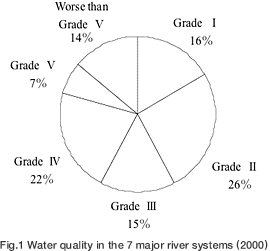
| Water quality China has 7 major river systems*1, the Changjiang River (Yangtze River), Huanghe River (Yellow River), Zhujiang River (Pearl River), Songhuajiang River, Huaihe River, Haihe River and Liao River. Within the 7 major river systems, nearly 60% of the monitoring points were classified under the Grade III water quality standard*2, 21.6% were Grade IV, 6.9% were Grade V and 13.8% were above the Grade V standard. Pollution levels were found to decrease in magnitude between river systems in the following order; Liao River, Haihe River, Songhuajiang River, Huanghe River, Songhuajiang River, Zhujiang River and Changjiang River. Most of the pollution seemed to be concentrated in urban areas. |
||||||||||||||||||||||||||||||||||||||||||||||||||||||||||||||||||||||||||||||||||||||||||||||||||||||||
|
||||||||||||||||||||||||||||||||||||||||||||||||||||||||||||||||||||||||||||||||||||||||||||||||||||||||
| *1 : In China, 77% of surface water resource is dependent on the 7 major river system and 90% of the population conduct socio-economic activities in the basins of the 7 major river system. *2 : Depending on water use / conservation objectives, water quality is classified into 5 grades, with corresponding standard values. For BOD, standard values of 3,3,4,6,10mg/L are set for Grades I - Vwere above the Grade V standard. |
||||||||||||||||||||||||||||||||||||||||||||||||||||||||||||||||||||||||||||||||||||||||||||||||||||||||
 |
|
|||||||||||||||||||||||||||||||||||||||||||||||||||||||||||||||||||||||||||||||||||||||||||||||||||||||
|
||||||||||||||||||||||||||||||||||||||||||||||||||||||||||||||||||||||||||||||||||||||||||||||||||||||||
| Status of sewage treatment As of 1999, urban sewage systems covered over a total length of 130,000 km with a treatment capacity of 27 million m3 per day. However, the amount of waste water is rapidly increasing due to increases in population and urbanization. Currently the waste water treatment rate in China is only 25.8% and for the region it is between 18.1-35%. |
||||||||||||||||||||||||||||||||||||||||||||||||||||||||||||||||||||||||||||||||||||||||||||||||||||||||
| respectively. * : Air quality standard for SO2, NO2, PM-10 are classified into 3 grades. For SO2, standard values of 0.02, 0.06, 0.10mg/m3 are set for the 3 grades. |
||||||||||||||||||||||||||||||||||||||||||||||||||||||||||||||||||||||||||||||||||||||||||||||||||||||||
|
||||||||||||||||||||||||||||||||||||||||||||||||||||||||||||||||||||||||||||||||||||||||||||||||||||||||
| Atmospheric environment | ||||||||||||||||||||||||||||||||||||||||||||||||||||||||||||||||||||||||||||||||||||||||||||||||||||||||
| In China, SO2 and SPM are the major air pollutants with vehicle exhaust gas additionally contributing to pollution in major cities. This is mainly due to the intense reliance (approximately 75%) on coal as an energy source and this problem is further compounded due to the use of coal with high sulfur content. According to the monitoring surveys conducted in 2000 for 338 cities, 40% of the cities were under the Grade II air quality standard. The remaining 60% of these cities were above Grade II air quality standard and within these cities one-third exceeded Grade III air quality standard*. |
||||||||||||||||||||||||||||||||||||||||||||||||||||||||||||||||||||||||||||||||||||||||||||||||||||||||
|
||||||||||||||||||||||||||||||||||||||||||||||||||||||||||||||||||||||||||||||||||||||||||||||||||||||||
| respectively. * : Air quality standard for SO2, NO2, PM-10 are classified into 3 grades. For SO2, standard values of 0.02, 0.06, 0.10mg/m3 are set for the 3 grades. |
||||||||||||||||||||||||||||||||||||||||||||||||||||||||||||||||||||||||||||||||||||||||||||||||||||||||
|
||||||||||||||||||||||||||||||||||||||||||||||||||||||||||||||||||||||||||||||||||||||||||||||||||||||||
|
||||||||||||||||||||||||||||||||||||||||||||||||||||||||||||||||||||||||||||||||||||||||||||||||||||||||
|
||||||||||||||||||||||||||||||||||||||||||||||||||||||||||||||||||||||||||||||||||||||||||||||||||||||||
| Environmental Administration | ||||||||||||||||||||||||||||||||||||||||||||||||||||||||||||||||||||||||||||||||||||||||||||||||||||||||
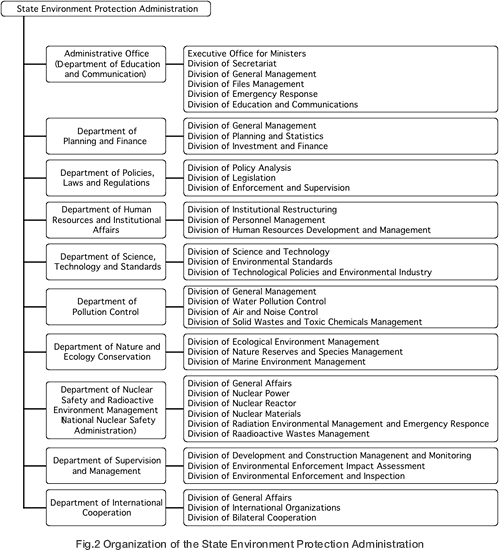
| Administrative structure The State Environment Protection Administration plays a central role in the environmental policy of China. Its main tasks involve the establishment of environmental protection policies, preparing laws and regulations, the conservation and management of the natural environment and the safe management of nuclear power. Other related administrations include the Ministry of Water Resources and the Ministry of Agriculture, which within a range of tasks concentrate their work efforts on water resource management as well as the protection of marine flora and fauna. |
||||||||||||||||||||||||||||||||||||||||||||||||||||||||||||||||||||||||||||||||||||||||||||||||||||||||
 |
||||||||||||||||||||||||||||||||||||||||||||||||||||||||||||||||||||||||||||||||||||||||||||||||||||||||
|
||||||||||||||||||||||||||||||||||||||||||||||||||||||||||||||||||||||||||||||||||||||||||||||||||||||||
| Environmental laws and regulations “The Environment Protection Law” enacted in 1989 is a basic environmental law. Its principal aim, as written in Article 1 is to protect and improve the living and ecological environment, protect human health by preventing and controlling pollution and support the modernization of socialism. Under the above law, various individual laws concerning the protection of the air, water and soil quality are enacted (Table 5). - “Three-at-the same-time” system In order to cope with expected pollution during the constructing, remodeling and extending of a factory, developers should plan, construct and operate environmental protection facilities in synchronous with the planning, construction, and operation of the factory. This system is called a “Three-at-the same-time” and is unique to China. - Polluter pays system This is the system in which a “polluter- pays- principle” is embodied. Under the system the polluter must pay a “pollution fee” when waste water, exhaust gas or solid waste exceeds the national or local emission standards. |
||||||||||||||||||||||||||||||||||||||||||||||||||||||||||||||||||||||||||||||||||||||||||||||||||||||||
|
||||||||||||||||||||||||||||||||||||||||||||||||||||||||||||||||||||||||||||||||||||||||||||||||||||||||
|
||||||||||||||||||||||||||||||||||||||||||||||||||||||||||||||||||||||||||||||||||||||||||||||||||||||||
|
||||||||||||||||||||||||||||||||||||||||||||||||||||||||||||||||||||||||||||||||||||||||||||||||||||||||
|
||||||||||||||||||||||||||||||||||||||||||||||||||||||||||||||||||||||||||||||||||||||||||||||||||||||||
 |
||||||||||||||||||||||||||||||||||||||||||||||||||||||||||||||||||||||||||||||||||||||||||||||||||||||||
|
 Informational Interchange on Environmental Protection among Local Governments in North East Asia Region Informational Interchange on Environmental Protection among Local Governments in North East Asia Region |
|
Links |


